The different recovery methods at L'Échappée Vosgienne
The different recovery methods at L'Échappée Vosgienne
L’Échappée Vosgienne, a sports accommodation and training center nestled in the heart of the Vosges mountains, was designed by sports enthusiasts to offer athletes the ideal setting for combining performance and recovery. Among our wellness facilities, several recovery methods are available to promote regeneration after exercise. Discover the benefits of the sauna, contrast bath, cold bath, and hot bath, and take advantage of our protocols available in our recovery area.
The sauna: total relaxation
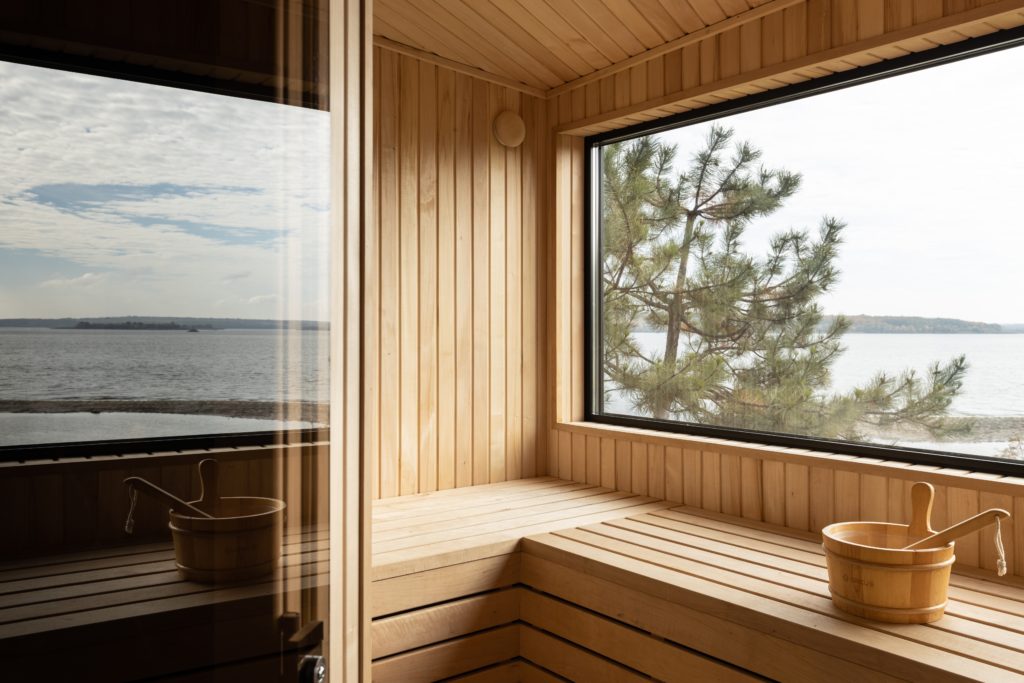
The sauna is an ancient method, acclaimed for its health and recovery benefits. By exposing the body to dry heat between 70 and 100°C, the sauna increases skin and muscle temperature. This increase has several effects:
• Cardiovascular health: By dilating blood vessels, saunas improve blood circulation, reduce blood pressure, and strengthen heart function.
• Muscle relaxation: Heat helps relax tense muscles and relieves muscle pain after intense exercise.
• Elimination of toxins: Through sweating, the body expels heavy metals and other accumulated waste products.
• Mental well-being: Saunas reduce stress levels and promote better quality sleep.
It is important to remember that saunas are not a method of weight loss; they cause dehydration, which is harmful to health in the long term.
Contrast baths: accelerated recovery
Contrast bathing alternates between immersions in cold and hot water, an effective method for:
• Reduce inflammation: Alternating temperatures helps reduce swelling and muscle pain by stimulating blood circulation.
• Improve neuromuscular recovery: This method promotes muscle oxygenation and the elimination of metabolic waste (minor effect).
• Provides a feeling of lightness: By optimizing blood circulation, contrast bathing reduces the feeling of heaviness after intense exercise.
Cold baths: the anti-inflammatory weapon
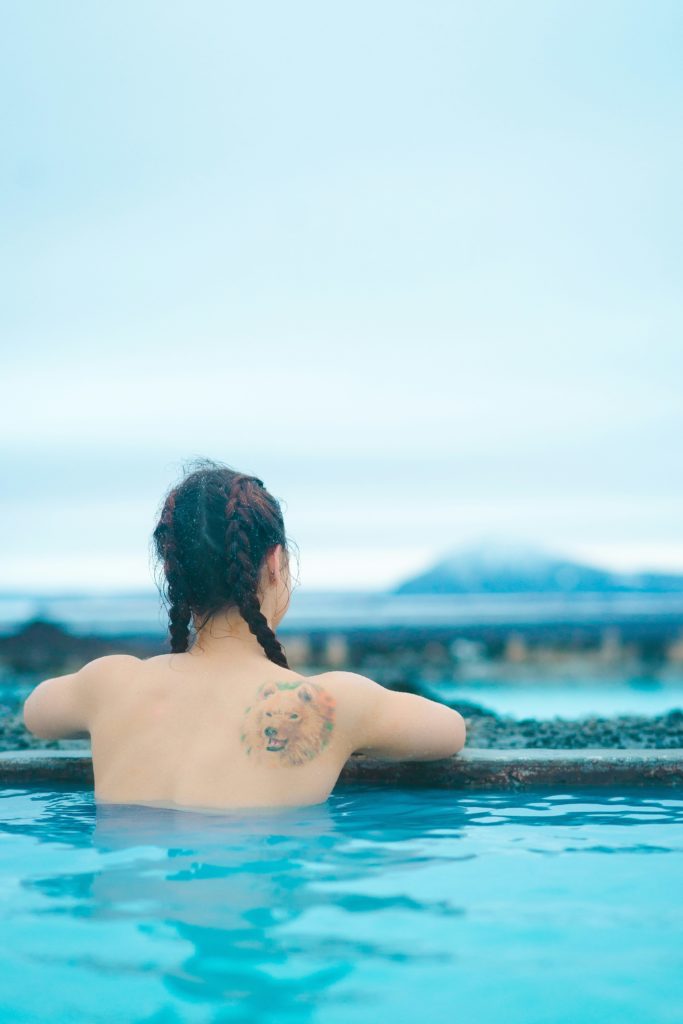
Taking a cold bath is a popular method used by athletes to:
• Reduce muscle soreness and inflammation: Cold temperatures constrict blood vessels (vasoconstriction) and limit microtrauma to muscles caused by exercise.
• Boost the immune system: Cold baths boost white blood cell production, strengthening the body's natural defenses.
• Improve mental recovery: The revitalizing effect of cold provides a feeling of freshness and mental well-being.
A quick reminder: cold baths are not recommended after weight training. A 2015 study showed that the adaptations sought in weight training are slowed down by a cold water recovery protocol compared to active recovery. (1)
Roberts LA, Raastad T, Markworth JF, Figueiredo VC, Egner IM, Shield A, Cameron-Smith D, Coombes JS, Peake JM. Post-exercise cold water immersion attenuates acute anabolic signaling and long-term adaptations in muscle to strength training. J Physiol. 2015 Sep 15;593(18):4285-301. doi: 10.1113/JP270570. Epub 2015 Aug 13. PMID: 26174323; PMCID: PMC4594298.
The hot bath: comfort after exercise
A warm bath, at an average temperature of 35-40°C, is a gentle recovery method, ideal for:
• Relieve muscle tension: Heat promotes relaxation of muscles and joints, thereby reducing pain.
• Improve blood circulation: The vasodilatory effect of a hot bath increases the supply of oxygen and nutrients to tired muscles.
• Reduce stress: Hot water stimulates the release of endorphins, providing a feeling of relaxation and general well-being.
Conclusion: a rejuvenated body, a calm mind
At L’Échappée Vosgienne, we believe that recovery is an essential pillar of athletic performance. By combining these different recovery methods with our high-end bedding and cuisine designed for athletes, we offer you tools tailored to your needs to optimize your recovery, prevent injuries, and prepare you to exceed your limits.
Ready to try these recovery methods? Book your stay today and come discover our recovery area, designed for demanding athletes like you.